
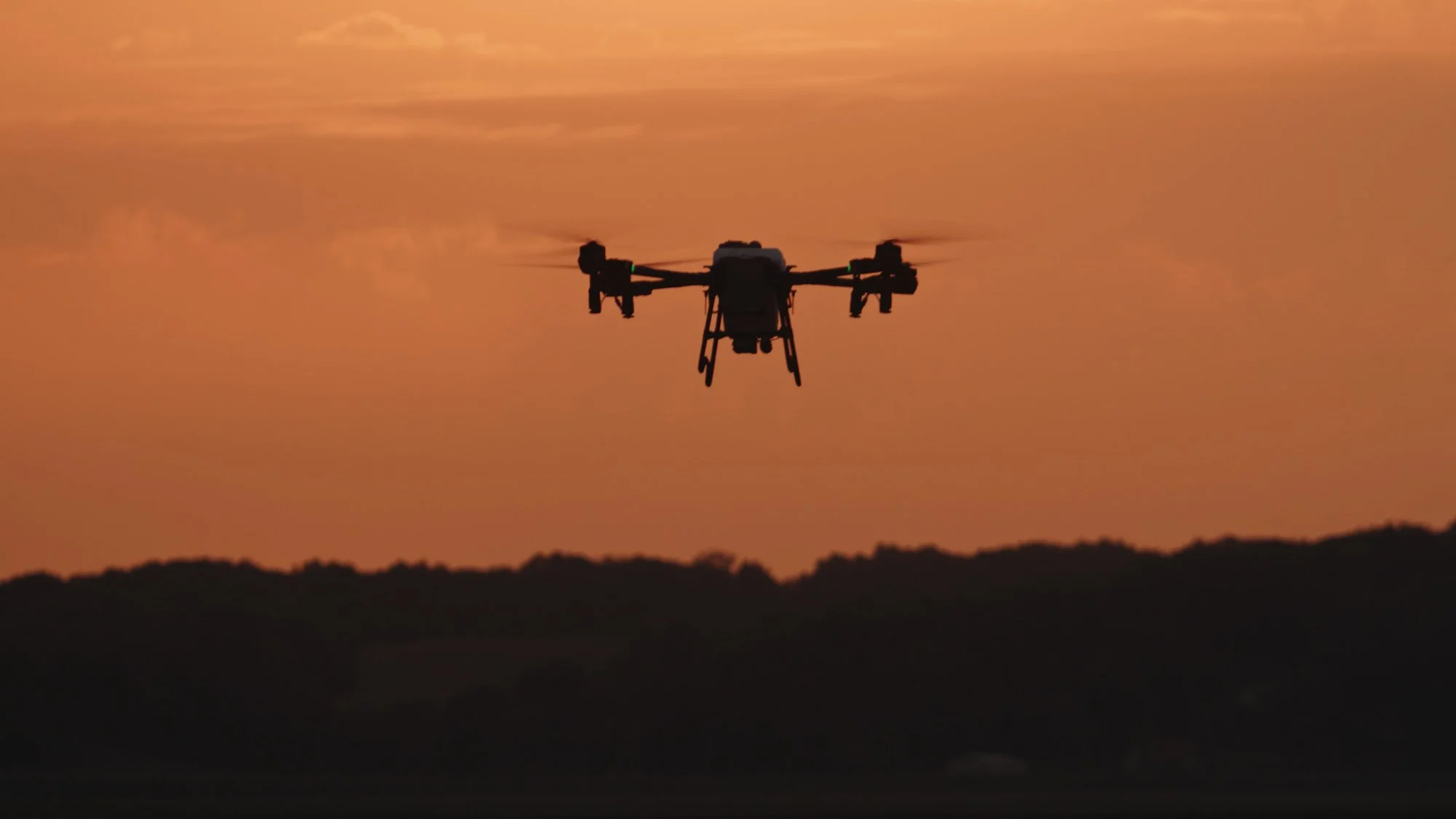
Stay Compliant. Fly Legal.
Navigate FAA requirements, state licensing, and aerial application rules with a dealer team that helps you get compliant and supports you every step of the way.
Regulations & Compliance
Operating a spray drone is fundamentally different from flying a recreational or standard commercial drone. Because aerial application involves regulated aircraft operations and regulated products, operators must meet specific federal and state requirements before conducting legal spray operations.
At Carolina Agri Drones, we don’t just sell equipment. We guide operators through the regulatory and licensing process and help them move toward compliant, professional spray drone operations with clarity and confidence.
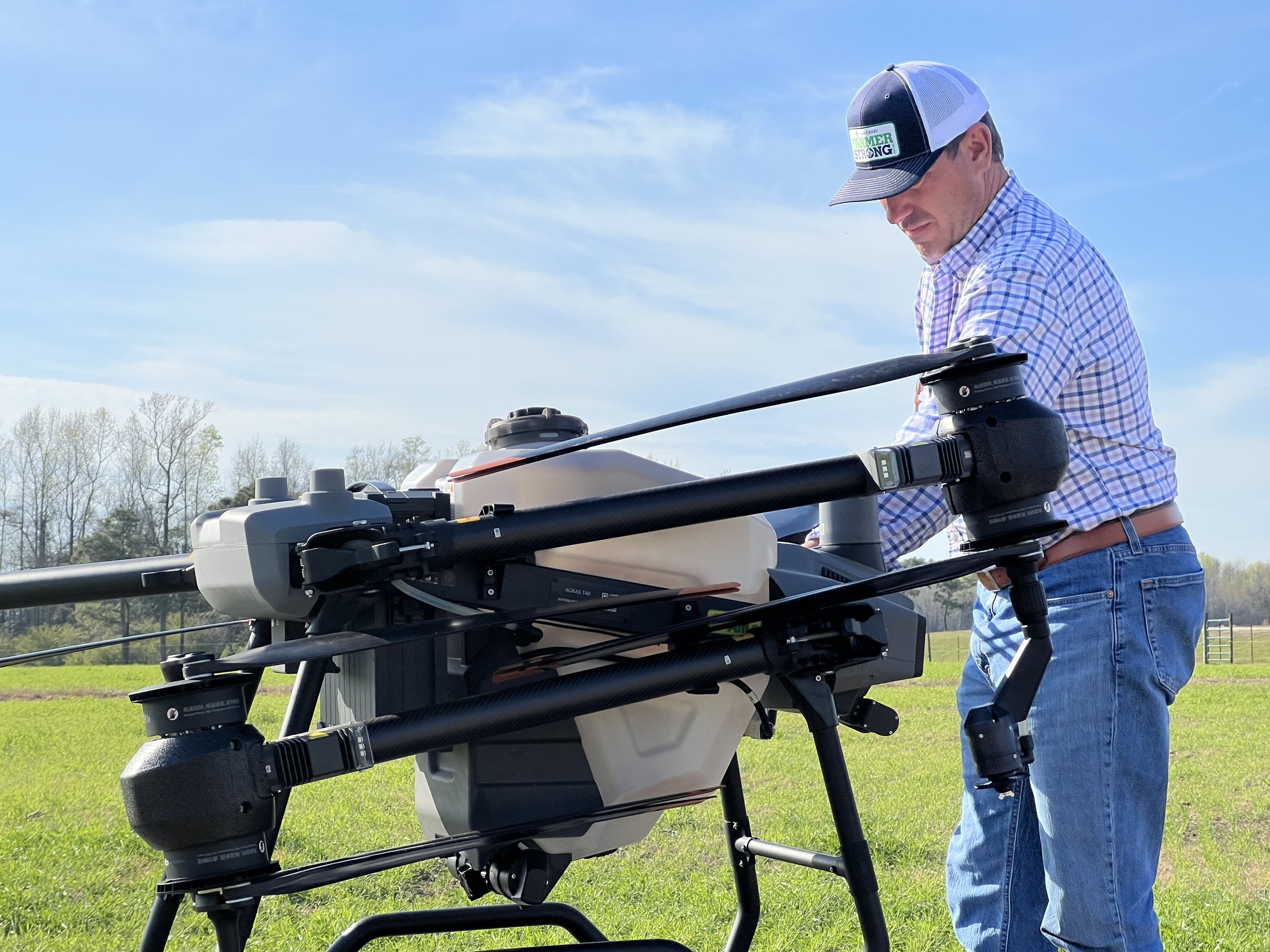
Federal Aviation Requirements
Spray drone operations in the United States are regulated by the Federal Aviation Administration (FAA). These requirements apply nationwide and form the foundation for legal aerial application.
-
FAA Part 107 is the baseline requirement for all commercial drone flight. It authorizes an operator to fly unmanned aircraft for business purposes and establishes core safety and operational standards.
Part 107 covers:
Airspace awareness and authorization
Operational limitations
Pilot responsibilities and safety procedures
All spray drone operators must hold a valid Part 107 certificate before pursuing agricultural-specific authorizations.
-
Section 44807 provides authorization for drones to be used as agricultural aircraft, allowing operations that go beyond standard Part 107 limitations.
This authorization enables:
Operation of heavier aircraft configurations
Agricultural spraying and spreading missions
Use cases aligned with regulated aerial application
Section 44807 serves as a key bridge between standard commercial drone flight and formal aerial application authority.
-
FAA Part 137 is the federal certification required for commercial aerial application, whether performed by airplane, helicopter, or drone.
For spray drone operators, Part 137 establishes:
Agricultural aircraft operational authority
Oversight and safety requirements
Compliance standards specific to aerial application
Part 137 certification is what formally qualifies an operation to conduct commercial aerial application under federal law.
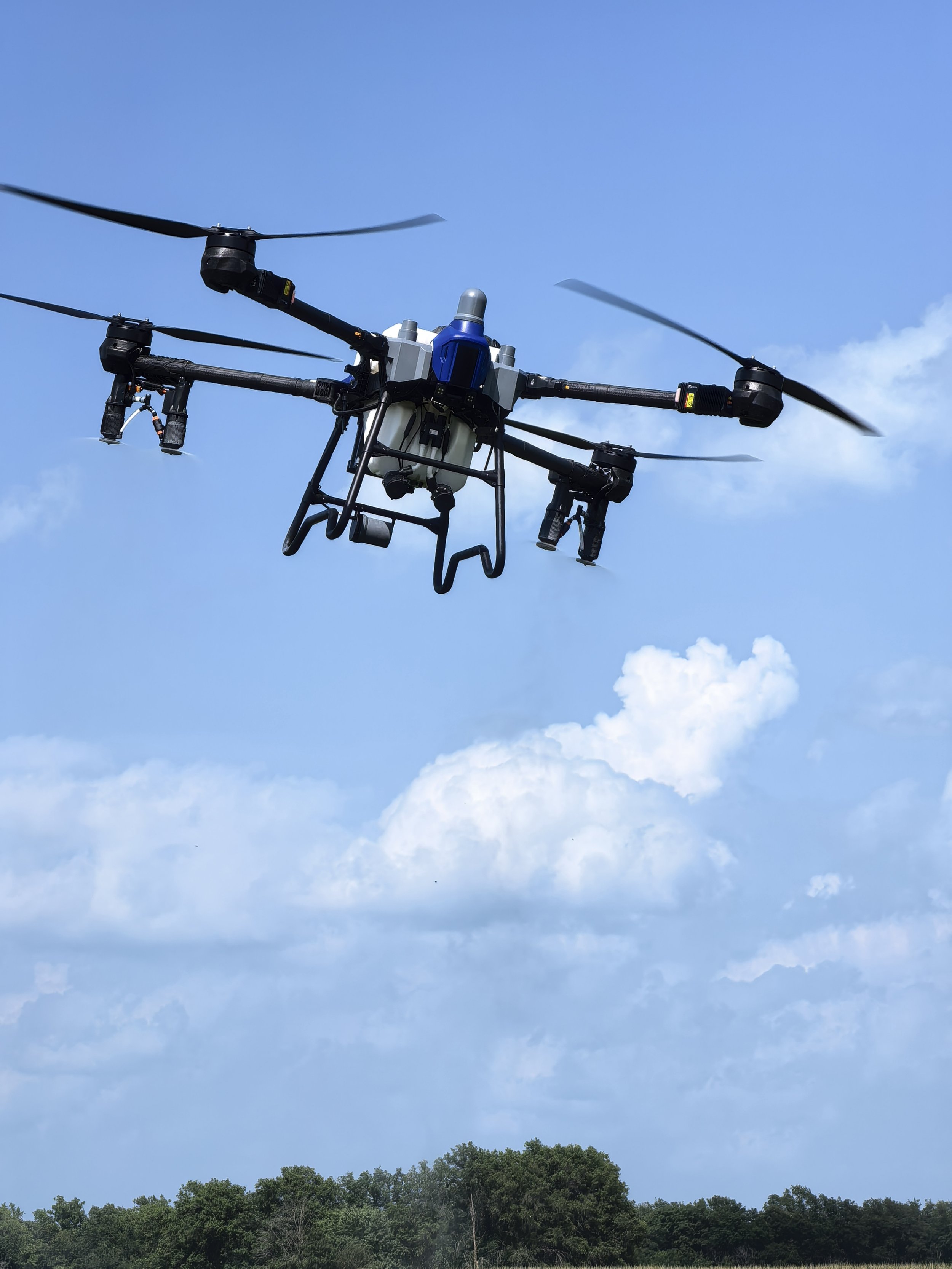
State Pesticide Licensing Requirements
In addition to FAA requirements, operators must also hold the appropriate state pesticide applicator licenses in every state where applications occur.
Licensing requirements vary by state, product, and application type. Operators are responsible for maintaining compliance with all applicable state regulations.
-
In North Carolina, commercial pesticide applicators are licensed through the North Carolina Department of Agriculture & Consumer Services (NCDA&CS).
Licensing requirements may include:
Commercial applicator certification
Category and endorsement requirements
Continuing education and license renewal
Learn more about North Carolina pesticide licensing.
-
South Carolina pesticide applicator licensing is regulated through Clemson University Pesticide Regulation.
Requirements may include:
Commercial applicator licensing
Category-specific certifications
Compliance with state application standards
Learn more about South Carolina licensing requirements.
-
In Virginia, commercial pesticide applicators are licensed through the Virginia Department of Agriculture and Consumer Services (VDACS).
Licensing requirements may include:
Commercial applicator certification
Appropriate category endorsements
Compliance with state and federal application rules
Learn more about Virginia licensing requirements.
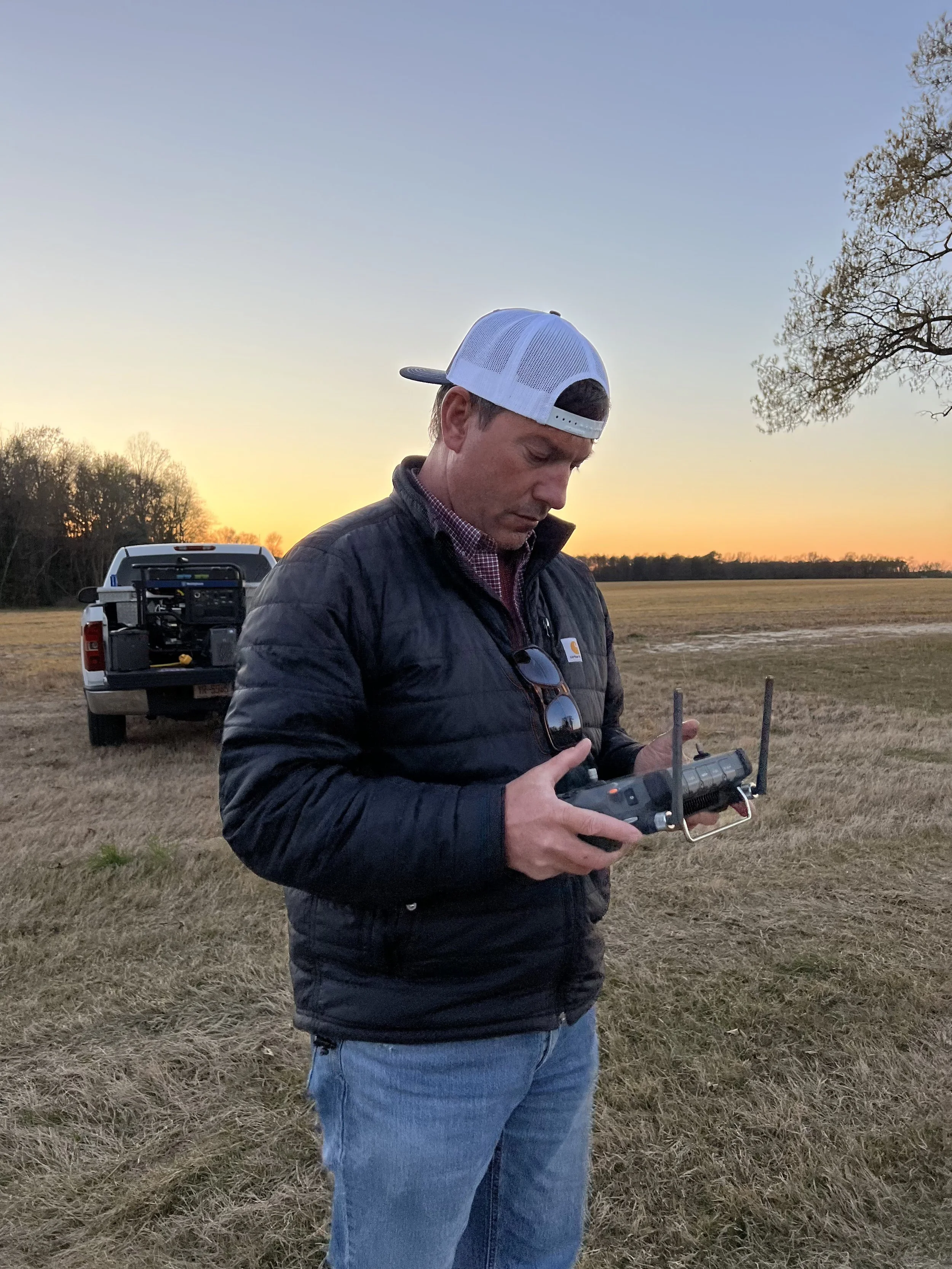
We work with customers to:
Understand which FAA certifications apply to their operation
Navigate Part 107, Section 44807, and Part 137 requirements
Identify the correct state pesticide licenses for where they operate
Prepare for training, documentation, and operational setup
Build compliant workflows that support long-term success
While we do not issue licenses or approvals, we actively help operators understand requirements, complete the necessary steps, and move forward with confidence.
How Carolina Agri Drones Supports You
Questions About Licensing or Compliance?
If you’re unsure which certifications apply to your operation or where to start, Carolina Agri Drones is here to help guide the process and connect you with the right resources.
Licensing and certification requirements vary by state and application type. Carolina Agri Drones does not issue licenses or certifications and does not act as a regulatory authority. Operators are responsible for obtaining and maintaining all required federal and state approvals prior to conducting aerial application.